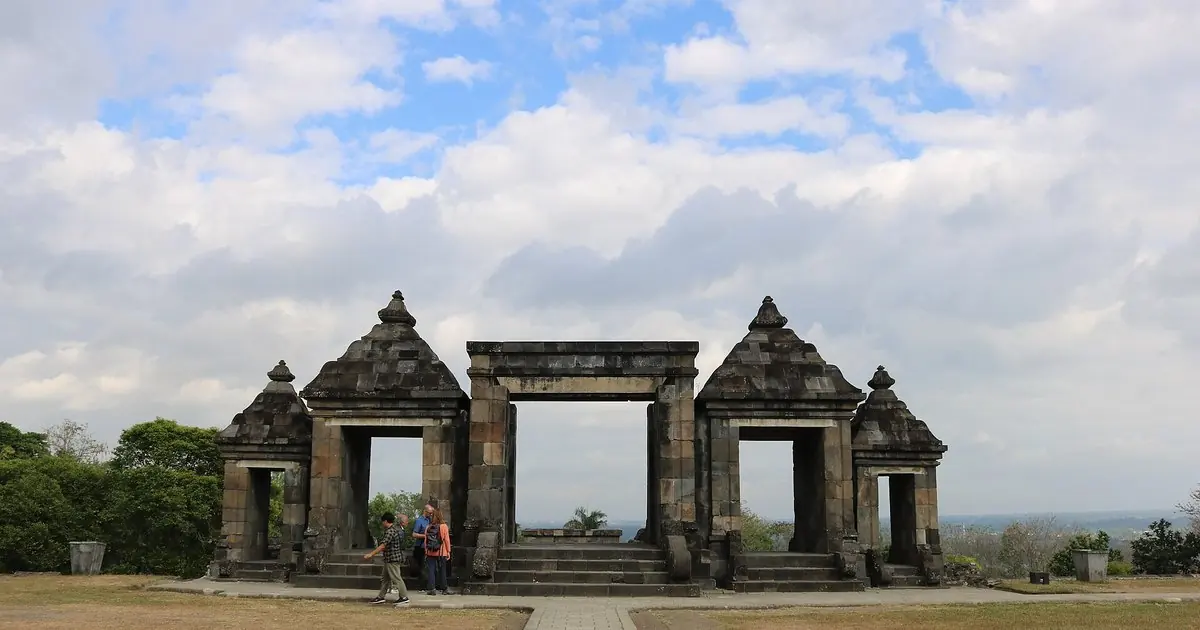
Prewedding shoots in Yogyakarta rarely fail because of the camera. They fail on the things you cannot see in the final image: a permit nobody arranged, a location full of people at the wrong hour, and light that was gone five minutes before the group was ready.
This guide approaches location choice from the side that gets forgotten — not a list of viral spots, but what has to be checked before you leave.
Why It Needs Planning
Yogyakarta has an advantage most cities do not: wildly different scenery within a short drive. In one morning a photographer can shoot temple stone, limestone cliffs and sand dunes without a long transfer.
The consequence is equally clear. Moving between locations costs time, and almost every popular location is managed by a different body with different rules.
Season matters too. In the dry months the sky is cleaner and the light more stable; in the wet season the landscape is greener but afternoon rain is a real risk. Day of week matters as well: weekends and school holidays fill the main sites, and crowds show up directly in the frame.
Planning a shoot here is closer to production work than to art. Three things decide the result: the backdrop you choose, the permits you arrange, and the order of the day.
Choose by Backdrop, Not by Name
Picking by the character of the backdrop is safer than chasing specific place names. If one location turns out to be closed or too busy, you can substitute another with the same character.
| Backdrop | Usual area | Practical note |
|---|---|---|
| Ancient temple stone | Prambanan, Ratu Boko | Managed sites; photo and drone rules differ, confirm first |
| Cliffs and limestone | Tebing Breksi | Best in low sun; many stairs, long dresses need carrying |
| Sand dunes | Parangkusumo | Strong wind and fine sand; bring sealed bags for lenses |
| Beaches and rock | Gunungkidul coast | Steep stairs; mornings are calmest, avoid high surf |
| Pine forest | Pengger, Becici | Soft filtered light; ground slippery after rain |
| Old buildings and streets | Kotabaru, Malioboro area | Busy all day; private property needs the owner's permission |
For more specific backdrops, the photo spots guide works as a comparison list before you commit.
Permits: The Part Everyone Postpones
Locations fall into three categories, each needing a different approach.
Sites managed by an institution. Temples and archaeological sites generally have an official manager with specific rules for photography. Confirm whether the session counts as commercial or non-commercial, whether tripods, reflectors or drones are allowed, and whether there is a fee. Do this in writing, and keep the reply.
Village or community land. Dunes, beaches and some forest areas are managed locally. A fee is normal; ask who collects it and what it covers, and keep the receipt.
Private property. Colonial buildings, cafes, hotels and gardens need the owner's permission. A phone call a week ahead is usually enough, but a shoot arriving unannounced is often turned away.
The Light Window
Yogyakarta sits close to the equator, so the useful light is short and symmetrical: roughly one hour after sunrise and one hour before sunset. The middle of the day is harsh and hot, and open stone reflects it back at the subject.
| Time | Light | Good for |
|---|---|---|
| 05:30–07:00 | Soft, cool, low angle | Temples, dunes, open landscape |
| 07:00–09:00 | Bright but workable | Forest, streets, shaded courtyards |
| 11:00–15:00 | Harsh, vertical | Interiors, preparation shots, rest |
| 16:30–18:00 | Warm, low, directional | Coast, cliffs, rooftops |
Two locations with different character in one morning is realistic. Three is tight, and four means you spend the day in the car.
A Route That Works
- Dawn: dunes or a temple, while the light is low and the site is empty
- Mid-morning: pine forest or shaded streets, when the sun is higher
- Afternoon: rest and prep, or interiors
- Late afternoon: cliffs or coast for the warm light
Keep the driving legs under 45 minutes each. Yogyakarta's roads are slower than the map suggests, especially on the routes south and east.
What People Forget
- A change of shoes for stairs and sand
- Water and something salty; shoots run long
- A backup location in the same character category
- Confirmation that the site is open that day — ceremonies close temples
- Cash for local fees, which rarely take cards
The best prewedding day is the one where nothing has to be solved on location.
Frequently asked questions
Do temple shoots need a special permit? Yes. Temples have official managers with different rules for commercial and non-commercial photography.
How many locations make sense in one day? Two or three with different backdrops. More usually means less time at each.
When is the best light? The hour after sunrise and the hour before sunset, with a rest in the middle of the day.
Frequently asked questions
Do prewedding shoots at temples need a permit?
Yes. Temples have official managers with different rules for commercial and non-commercial photography, and fees may apply.
How many locations make sense in one prewedding day?
Two or three with different backdrops. Adding more cuts the time available at each.
When is the best light for a prewedding shoot in Yogyakarta?
The hour after sunrise and the hour before sunset, with the middle of the day used for rest or interiors.