Yogyakarta eats late. Not in the sense of a few restaurants staying open, but in the sense that whole streets change character after eight in the evening, when carts appear and benches fill.
This guide is about where that happens, what to order, and how to string a night together without spending it in traffic.
The Three Night Food Zones
Malioboro and Sosrowijayan. The busiest and most obvious. Street carts, angkringan set back in the alleys, and cafes with upstairs seating. Good for a first night when you want everything within walking distance.
Alun-alun Kidul. The southern square, where the food is simpler but the atmosphere is better: lit-up carts, families, and the twin-tree ritual. Come here after eating, not instead of eating.
The student belt around Jalan Kaliurang and Pogung. Cheaper, less polished, and where a lot of the city actually eats. Warung rice plates, grilled skewers, and coffee until late.
What to Order
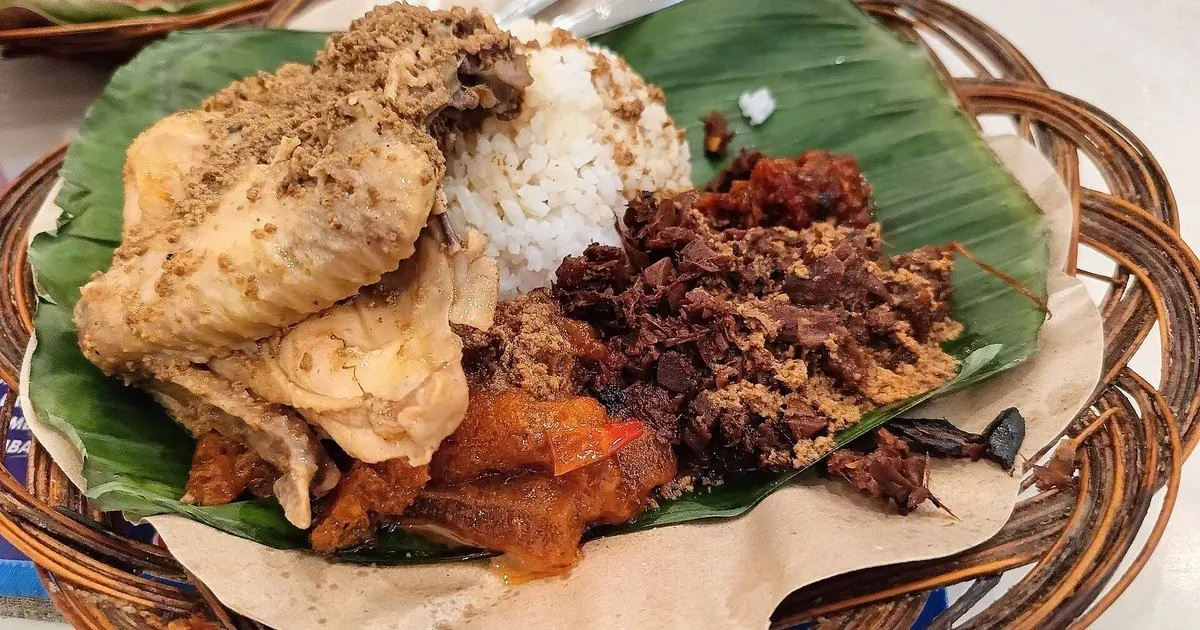
- Gudeg — young jackfruit stewed with coconut sugar. Sweet, slow-cooked, and usually eaten with rice and egg. Available in the morning too, but several warung run into the night.
- Sate — chicken or lamb skewers grilled to order. Ask for the peanut sauce on the side if you want to control the sweetness.
- Nasi kucing — a small rice portion with a topping, sold at angkringan. Order two or three rather than one.
- Kopi joss — coffee with a piece of burning charcoal. The night-cap of choice.
- Wedang — ginger, lemongrass or rice-based hot drinks. Better than coffee if you want to sleep.
A Simple Route for One Evening
| Time | Place | What happens |
|---|---|---|
| 19:00 | Malioboro, north end | Walk south, choose a stall for a first plate |
| 20:00 | Angkringan in a side alley | Sit, order small plates, try kopi joss |
| 21:00 | Alun-alun Kidul | Atmosphere, carts, the twin-tree walk |
| 22:00 | Back towards the hotel | Optional second stop for wedang |
Walking between the first three takes twenty to thirty minutes in total. No vehicle needed.
Eating Safely and Cheaply
Street food in Yogyakarta is generally fine, but a few habits help:
- Choose stalls with a queue of locals — turnover means fresher food
- Watch whether the food is cooked to order or sitting out
- Drink bottled or boiled water
- Carry small notes; change is often scarce late at night
- Start with familiar dishes if it is your first evening
Portions are small and prices low, which is why ordering three or four items is normal rather than extravagant.
What It Costs, Roughly
You can eat well for the price of a coffee in a European city. Two or three small plates plus a drink is a normal evening. Exact prices vary by stall and change over time — read the board or ask.
When to Skip the Street
If you are travelling with someone who needs a proper table and air conditioning, take the cafe route instead: several places around Prawirotaman serve local dishes in a calmer setting until late.
The food is only half of it. The other half is sitting on a bench at eleven at night, with no reason to leave.
Frequently asked questions
What time do the food stalls open? Most appear after sunset, around seven in the evening, and run until close to midnight.
Is street food safe for visitors? Generally yes. Pick busy stalls with high turnover, and drink bottled or boiled water.
Can I find vegetarian food at night? Yes — gudeg, tempeh, and vegetable dishes are common; ask for dishes without meat and without shrimp paste.
Frequently asked questions
What time do Yogyakarta's night food stalls open?
Most appear after sunset, around seven in the evening, and run until close to midnight.
Is the street food safe?
Generally yes. Choose busy stalls with high turnover and drink bottled or boiled water.
Is vegetarian food available at night?
Yes. Gudeg, tempeh and vegetable dishes are common. Ask for no meat and no shrimp paste.